Buying a Foreclosure? Here’s Why It Might Not Be the Bargain You’re Hoping For
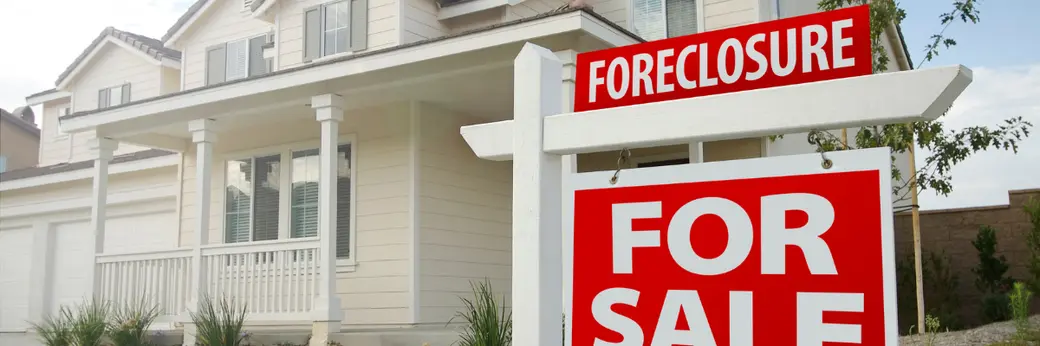
The word “foreclosure” tends to light up dollar signs in the eyes of bargain-hunting buyers. And while it’s true that some foreclosures or bank-owned properties can come at a discount, there’s a lot more to the story—and it’s not always the deal you think it is.
Let’s break it down.
1. Most foreclosures are sold as-is.
That means no repairs, no concessions, and often, no clue what you’re walking into. If something’s wrong—and there usually is—you’re responsible. These homes have often been vacant, neglected, or poorly winterized, and they rarely come with a tidy maintenance history.
2. “Discounted” doesn’t mean “cheap.”
Banks want to recover their losses, so many foreclosures are priced at market value or just below—and in hot markets, that can still mean bidding wars. You could end up paying top dollar with fewer protections.
3. Financing can be tricky.
Homes that have sat for a while or need major repairs often don’t meet the standards for traditional loans. That means you may need a renovation loan with extra paperwork, stricter requirements, and higher costs. Appraisals can also fall short if the home is in poor condition, creating another obstacle with conventional financing.
4. Repairs aren’t the deal you think they are.
When you buy a home that already has updated floors, a new roof, or a fresh HVAC system, you’re essentially paying wholesale for those upgrades—rolled into the price and financed at your mortgage rate. But if you try to do it yourself after closing? You’re likely paying full retail for labor and materials—unless you plan to DIY everything (and even then, there’s time, tools, and stress to factor in).
5. Credit cards vs. mortgage rates = no contest.
Mortgage interest rates are still lower than most credit cards or personal loans. That means financing those improvements through a higher-priced home (that’s already been upgraded) often saves you money in the long run. Don’t let the “discount” on a fixer distract you from the actual cost of making it livable.
6. Hidden costs love to pile up.
Older homes, especially distressed ones, can come with surprises: code violations, water damage, outdated electrical systems, and more. Those “surprises” don’t show up until you’ve closed—and the bill is on you.
Buying a foreclosure can work out well for the right buyer with a plan, a strong stomach, and access to renovation resources. But more often than not, move-in ready homes offer more peace of mind and better value—especially when you're not looking to moonlight as a general contractor.
Want to dive deeper into the buying process and avoid costly missteps? Download our Buyer’s Guide for instant access to pro tips, checklists, and strategies to help you buy smart—not emotional.
--Stacey
P.S. That “deal” you found might come with a leaky roof, a failed furnace, and a surprise raccoon roommate. Ask yourself: do you want a project or a place to live?
Categories
Recent Posts







GET MORE INFORMATION